Guide
Quartz vs. Glass-Bead vs. Classic Plaster: Choosing a Pool Finish
When you resurface a pool, the finish you choose decides how the pool looks, how it feels under your feet and how much attention it needs for years afterward. Most South Florida pool owners end up weighing three families of finish: classic plaster, quartz aggregate and glass-bead. They share the same job, which is to waterproof and protect the shell, but they get there in different ways.
Here's a plain-English comparison. For the full range of colors we install, see our quartz and gem finishes page, and for the broader process see pool resurfacing.
Classic white plaster
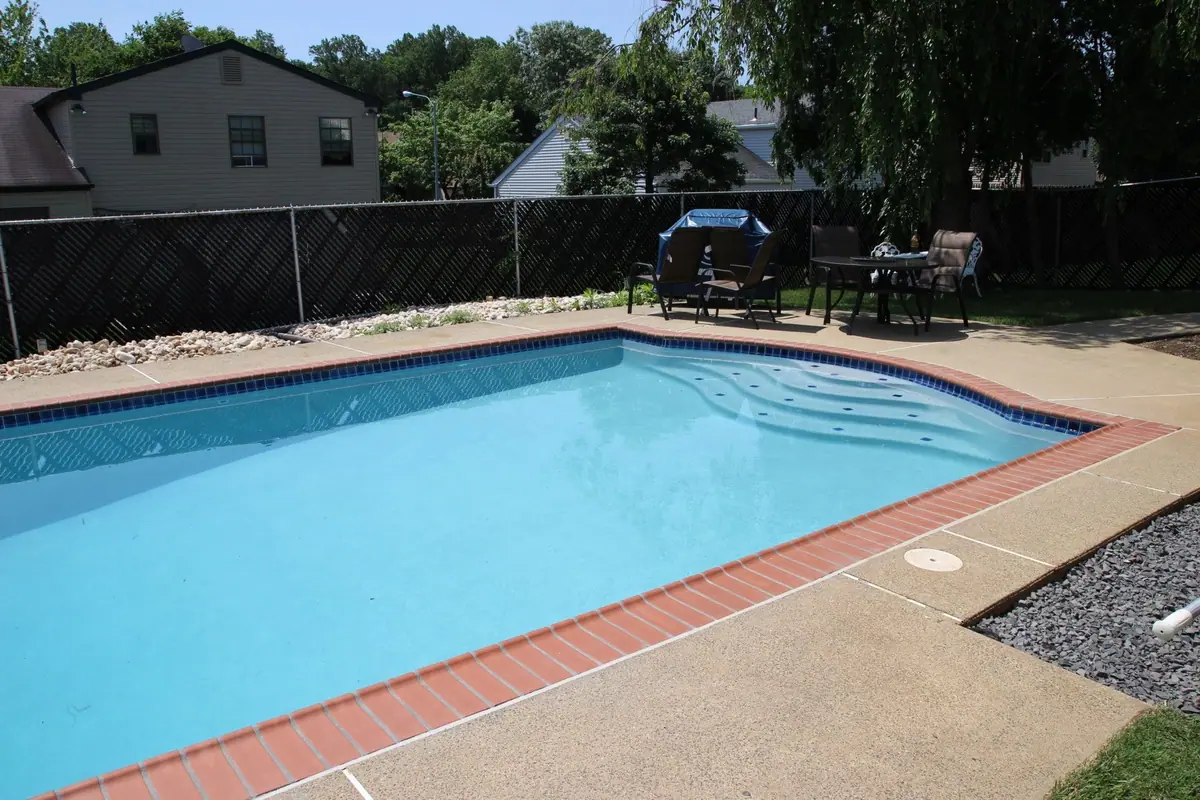
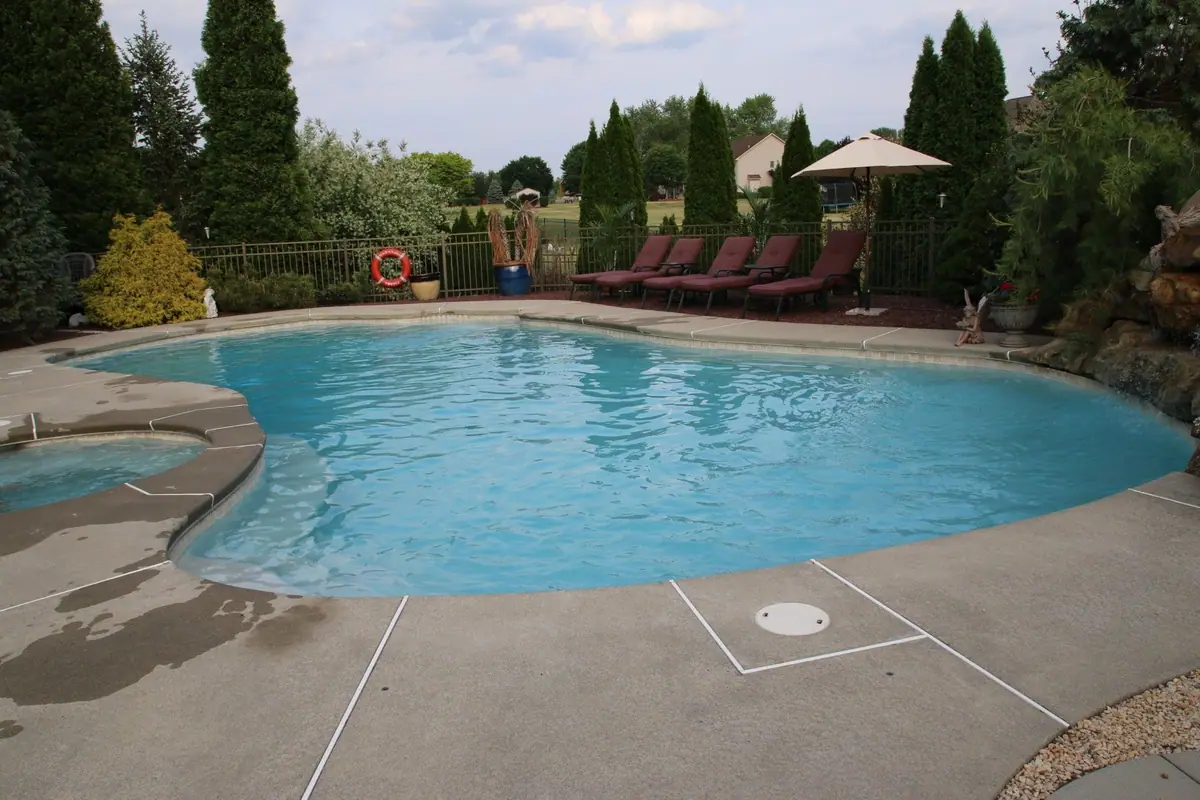
Traditional plaster is a mix of white cement and fine marble dust. It's the finish that most pools originally had, and it's still where many pools start. It has a smooth, clean, slightly cool look, and it produces that familiar bright pale-blue water.
- Look: Crisp and simple. Typically a bright white or a lightly tinted surface.
- Feel: Smooth underfoot, though it can become rougher as it ages.
- Durability: Plaster is a more porous surface than aggregate finishes, so it tends to be more sensitive to water chemistry. Water that stays out of balance can lead to etching, staining or scale.
- Maintenance: Requires consistent attention to pH, alkalinity and calcium hardness, especially during the early weeks.
Plaster can be a perfectly reasonable choice when the priority is a classic look and a lower material cost, and when you're committed to keeping the water chemistry steady.
Quartz aggregate finishes
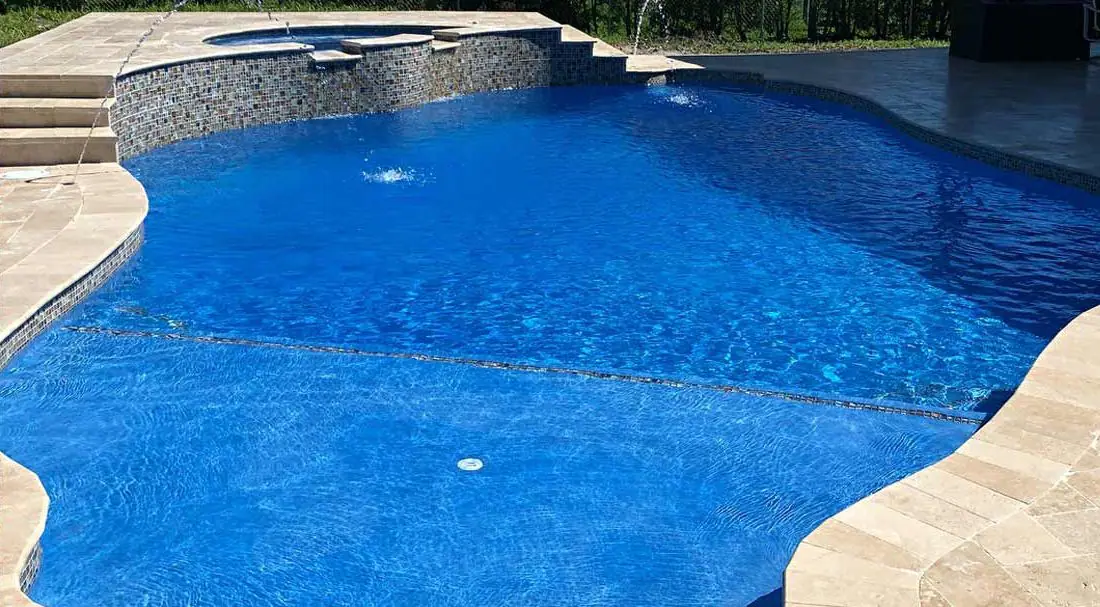
Quartz finishes, such as Diamond Brite®, blend cement with small, colored quartz particles. The result is a harder, denser surface than plain plaster, with a subtle sparkle and a richer color.
- Look: Color depth that plaster can't match. Options range from soft whites and grays to blues and deeper tones. Our available quartz colors include Classic White, Ivory, French Gray, Aqua Blue, Tahoe Blue, Blue Quartz, Super Blue, Marlin Blue, Midnight Blue, Onyx, Verde and Aqua Quartz.
- Feel: Slightly more textured than smooth plaster, but comfortable for most people. The quartz gives it a fine grain that many swimmers find pleasant.
- Durability: The quartz aggregate adds hardness and tends to improve resistance to staining and surface wear compared with basic plaster. It still depends on good water chemistry to last.
- Maintenance: More forgiving than plaster, but not maintenance-free. Brushing, balancing and regular cleaning remain important.
Quartz is often the sweet spot for homeowners who want a noticeable upgrade in look and durability without moving to a specialty product.
Glass-bead (gem) finishes
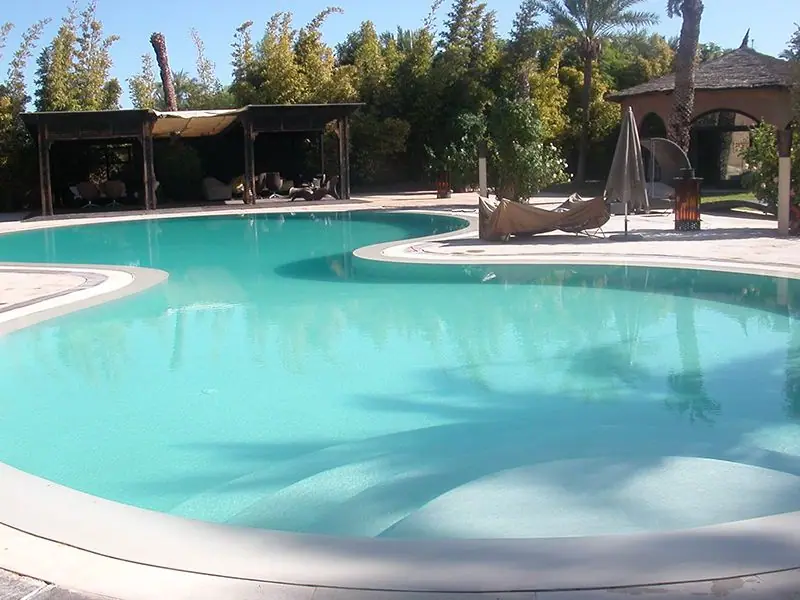
Glass-bead finishes use tiny glass beads mixed into the cement base. The beads catch and refract light, which gives the water a luminous, jewel-like quality that is especially striking in bright sun.
- Look: Vibrant and dimensional. Color names include Aqua Clear, Aqua Gem, Azure, Blue Gem, Bone, Capri, Catalina, Double Sky Blue, Emerald Sea, French Silver, Hawaiian, Lagoon, Sky Blue and White Gem.
- Feel: Generally smooth, since the glass beads are finer than quartz particles.
- Durability: Glass-bead finishes are valued for their color retention and resistance to wear and staining. As with every finish, results depend on water care.
- Maintenance: Similar to quartz, with the same fundamentals of brushing and chemistry.
If the pool is a centerpiece of the backyard, and you want the water to look as brilliant as possible, glass-bead is worth seeing in person.
How finish color changes the water
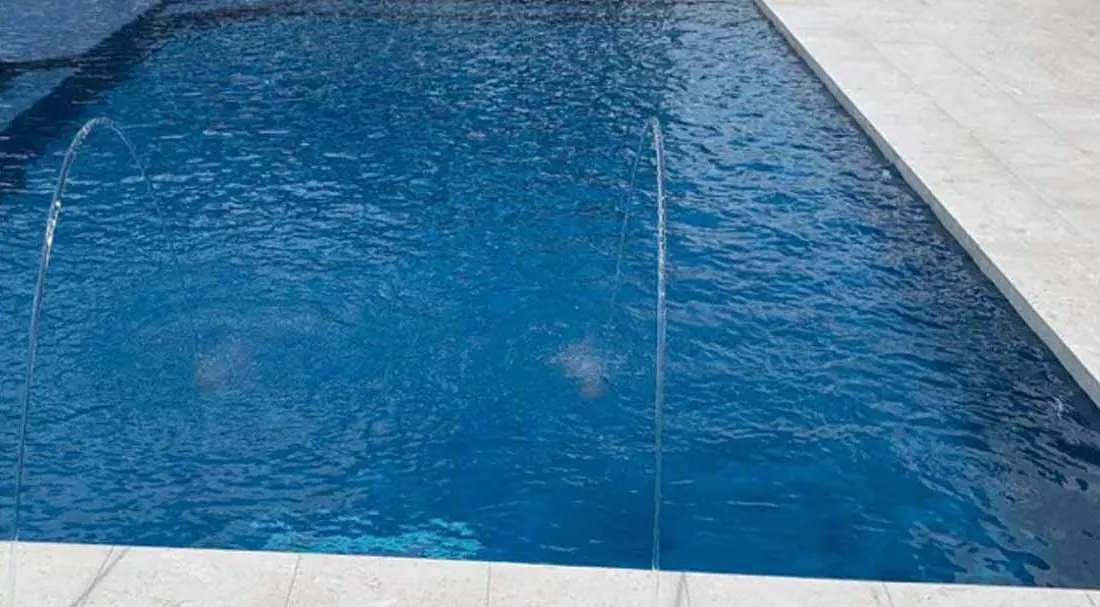
Water has little color of its own. What you see is the finish below, the sky above and the depth in between. This is why changing your finish color is one of the most dramatic changes you can make to a pool.
- Lighter finishes such as whites, ivories and light aquas produce brighter, lighter, more tropical-looking water. They tend to feel clean and open, and they show debris and leaves clearly.
- Mid-tone blues such as Azure, Tahoe Blue or Sky Blue give a classic resort blue that holds up well in all light.
- Darker finishes such as Midnight Blue, Lagoon or Onyx create deeper, more reflective water with a natural lagoon look. They can look stunning with greenery and stone, but they can also show scale or calcium deposits more clearly, and they absorb more heat.
Florida sun, heat and weather considerations
South Florida is hard on pool surfaces. The sun is strong nearly year-round, pools stay in use through most of the year and summer storms can swing water chemistry quickly. A few practical points:
- Sun and fading. Intense UV and chemical exposure can cause colors to soften over time. Darker finishes can show fading or uneven wear more visibly than lighter ones.
- Heat. Darker interiors absorb more sunlight, which can make the water a little warmer. That may be welcome in winter and less welcome in August.
- Rain. Heavy rain dilutes the water and can shift pH and alkalinity, so a pool needs testing after big storms.
- Salt systems. Many Florida pools use salt chlorine generators. Salt water can be gentle on swimmers, but pool owners should follow the finish manufacturer's guidance, since water balance matters even more with a salt system.
- Calcium and hard water. Parts of South Florida have hard water, which raises the chance of scale if the chemistry drifts. Regular testing is the best defense with any finish.
How to choose your color
It's very hard to pick a pool color from a screen or a small chip. A few steps make the decision much easier:
- Look at samples wet. Dry samples look pale and chalky. Wet them, because that's closer to what the finish looks like underwater.
- View them outdoors in sunlight. Check in direct sun, in shade and at different times of day. Indoor light can be misleading.
- Hold them against your tile and deck. Place the sample next to your waterline tile, coping and pool deck, since the finish should complement all three. If you're updating the tile, see our waterline tile page.
- Consider your surroundings. Screen enclosures, trees, a nearby lake or the color of the sky can all influence how the water reads.
- Look at pools like yours. Our portfolio shows a range of finishes in real settings. Photos are for inspiration; the actual look on your pool will depend on depth, light and surroundings.
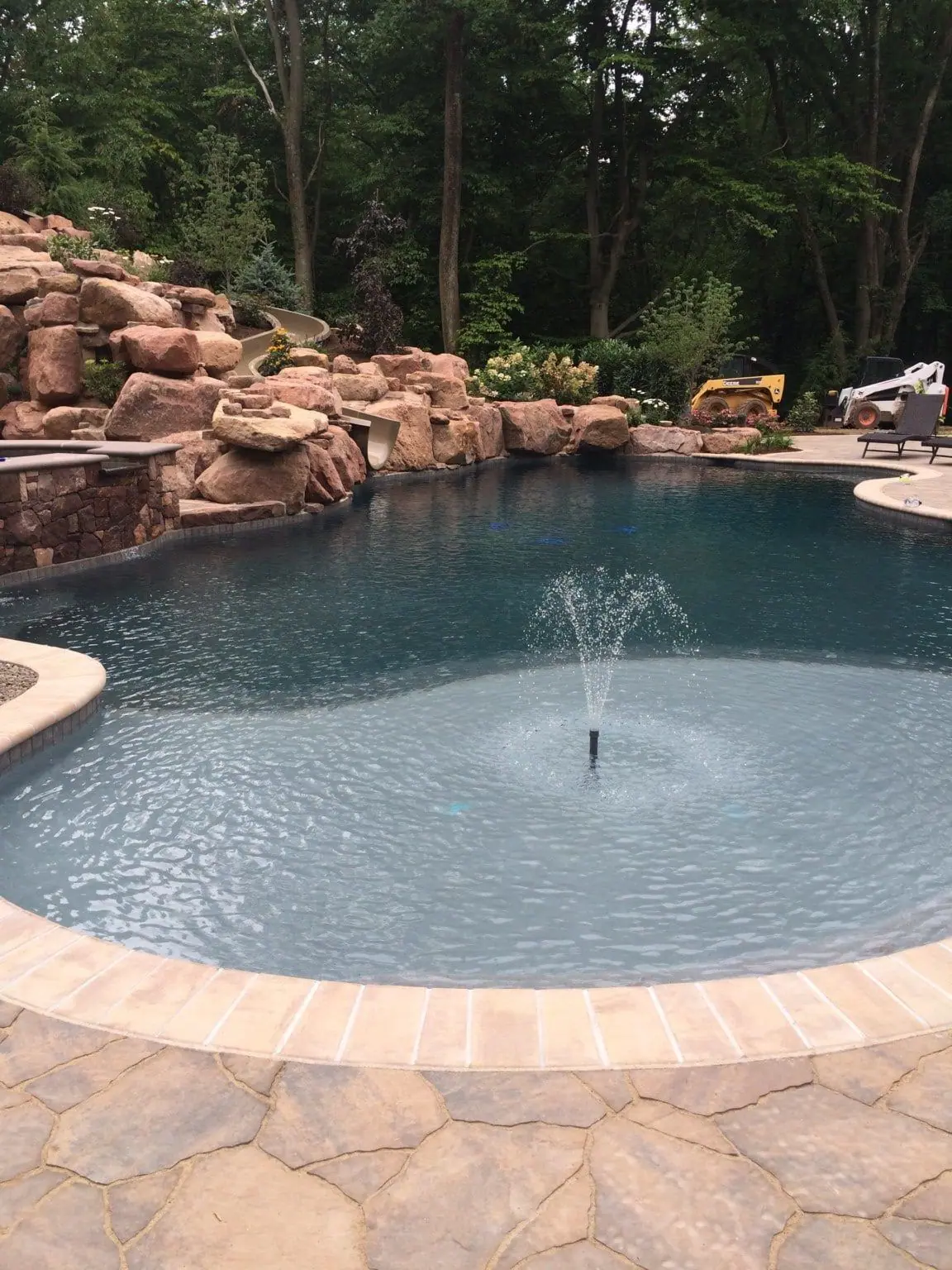
Keep in mind that any finish will look different in a shallow bench than in the deep end. Water depth deepens color, so the same finish appears lighter on steps and darker where the pool is deep.
Which finish should you pick?
There's no single right answer. If you want a classic, budget-conscious look and are committed to careful water care, plaster can work well. If you want better color depth and durability, quartz is an excellent middle path. If you want the most brilliant water and love a dramatic look, glass-bead deserves a close look. Pool shape, deck materials, how you use the pool and your budget all matter.
Warranty terms and expected lifespan vary by product, so rather than quoting generic numbers, we'll walk you through the manufacturer's warranty terms for the finish you choose during your free estimate. If you want to understand how finish choice affects the overall quote, read What Affects the Cost of Pool Resurfacing.
Whatever finish you choose, the way you start up the pool makes a big difference. Our guide to caring for a new pool finish explains the first month.