Guide
Caring for a New Pool Finish: Startup and the First Month
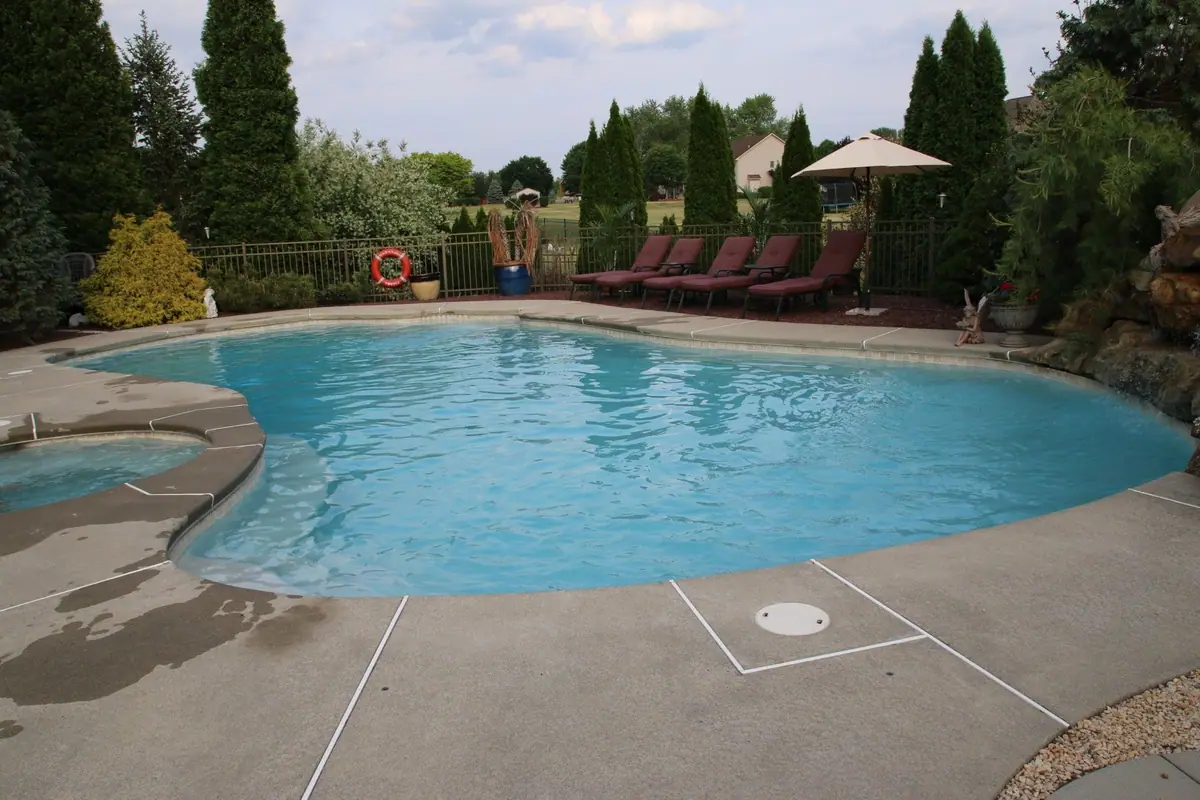
A freshly resurfaced pool looks wonderful, and it's tempting to jump in the minute the water is blue. But the first weeks are when the new finish is still curing, and what happens in that window has an outsized effect on how it looks and lasts. The good news is that a careful startup isn't complicated. It's mostly about patience, brushing and keeping the water chemistry in range.
This article covers the principles. Your exact startup plan depends on the finish you chose and the manufacturer's guidelines, so follow the startup instructions we give you and the finish manufacturer's guidelines above anything general you read online, including here.
Why startup matters
New cement-based finishes, including plaster, quartz aggregate and glass-bead, continue to cure after they go on. During this period the surface is more vulnerable to uneven color, surface dust, scale and stains. Water that is too aggressive can etch the surface. Water that is too saturated can leave scale or cloudiness. Either one can leave a mark that is difficult to reverse.
In other words, you only get one chance at a clean first month. A thoughtful startup protects the investment you made in your new finish and the work that went into the resurfacing itself.
What happens after the pool is filled
Once the pool is filled, the water has to be balanced and the equipment brought back online in a specific order. The details vary by product and by your pool's equipment, which is why we give you written instructions for your project. In general, expect the following steps:
- The pool is filled continuously and without stopping, so a visible water line doesn't form on the new surface.
- The pump, filter and any other equipment are restarted according to the startup instructions.
- Initial water chemistry is tested and adjusted gradually, not all at once.
- The surface is brushed on the schedule given in the instructions, to move fine cement dust off the walls and floor.
- Chemicals are added in the manner and order recommended, never dumped on the surface directly.
Brushing: small effort, big payoff
Brushing is one of the most important parts of startup. During curing, fine particles of cement and aggregate can settle on the surface as a dusty film. If they're left in place, they can bond and create rough or discolored patches. Brushing the entire pool, including steps, benches and corners, keeps that material moving into the filter.
- Use the type of brush recommended in your startup instructions. A brush that is too stiff can scuff a new surface.
- Brush the whole interior, not just the deep end. Steps and shelves are easy to miss.
- Keep the filter clean during this period, since it will catch a lot of fine material.
- Ask us if anything looks unusual, such as cloudy spots, streaks or rough areas.
Balancing the water: pH, alkalinity and calcium
Water chemistry is the heart of a good startup. Three measurements matter most.
pH
pH tells you whether the water is acidic or basic. If pH is too low, the water is aggressive and can etch a new surface. If it's too high, you're more likely to see scale and cloudiness. Keeping pH within the range recommended for your finish is the single most helpful thing you can do.
Total alkalinity
Total alkalinity acts as a buffer for pH. When alkalinity is in range, pH is more stable and less likely to swing. Adjusting alkalinity first often makes pH easier to manage.
Calcium hardness
Calcium hardness describes how much dissolved calcium is in the water. Water with too little calcium can pull calcium from the surface, while water with too much can leave scale. Because parts of South Florida have naturally hard fill water, it's worth testing the source water rather than assuming.
Your finish manufacturer publishes target ranges for these and other readings, including stabilizer and chlorine or salt levels. We recommend working from those ranges, and having your water tested with a reliable method. If you use a pool service, share the startup instructions with them so everyone is working from the same plan.
Avoiding stains and surface problems
New finishes are especially sensitive to foreign materials. A few habits protect them:
- Keep metals out. Do not leave metal objects, such as tools, ladders with exposed fasteners or toys with metal parts, sitting on the surface. Rust and metal staining can be hard to remove.
- Watch the leaves. Organic debris left on the surface can leave tannin stains. Remove leaves and debris promptly and keep a skimmer or net handy.
- Don't add chemicals carelessly. Never place granular chemicals on the floor or steps to dissolve. Follow the product directions and the startup instructions.
- Take care with fill water. If your water source contains iron or other metals, tell us so we can plan accordingly.
- Be gentle with cleaners and equipment. Aggressive cleaning tools or automatic cleaners may need to wait until your instructions say they're safe to use.
When can you swim, heat the pool or add salt?
These are the questions we hear most, and the honest answer is that it depends on the finish, the product's guidelines and the conditions in your pool. Rather than give a single rule, we'll provide timing for each of the following in your startup instructions:
- Swimming: Manufacturers set guidelines for when it is appropriate to start using the pool. Following them helps avoid marking the surface.
- Heating: Turning on a heater too early can stress a curing surface. Wait until the instructions tell you it's okay, and then raise temperature gradually.
- Salt systems: If your pool uses a salt chlorine generator, salt is typically added only after the initial curing period and according to the finish manufacturer's recommendations. Adding it too soon can affect the surface.
- Automatic cleaners and covers: These also have their own timing recommendations.
If you're ever unsure, wait and ask. A short delay costs nothing, while a mistake in the early phase can be permanent.
Long-term care in South Florida
After the first month, the routine becomes simpler, but Florida conditions deserve some attention.
- Test regularly. Test often enough to catch drift early, and always after heavy rain, which dilutes water and shifts pH and alkalinity.
- Brush weekly. Regular brushing keeps algae and buildup from taking hold, especially on steps and in shaded corners.
- Manage sun exposure. Strong UV breaks down chlorine quickly. A stabilizer (cyanuric acid) in the range your finish manufacturer recommends helps protect chlorine, but too much can cause its own issues.
- Care for salt systems. If you use salt, keep salt levels in the recommended range and watch calcium and pH, which tend to drift upward in salt pools.
- Prepare for storms. Before a hurricane or major storm, follow standard pool safety guidance, and test and rebalance the water once the storm passes. Never drain a pool without professional guidance.
- Keep the edges healthy. Cracked coping or worn waterline tile can let water behind the shell and cause further problems, so address them early.
Commercial and community pools
Properties with heavy bather loads often need a more formal startup plan, with testing logs and coordination with a pool service company. If you manage a condo, club or hotel, read about commercial pool resurfacing, and share your startup instructions with your maintenance team before the job begins.
Not sure which finish to start with? See Quartz vs. Glass-Bead vs. Classic Plaster, or learn what shapes the price in What Affects the Cost of Pool Resurfacing.